A partnership between Hunt Hospitality and the University of Newcastle’s data analytics team recently completed PhD research that could be the platform for a dynamic new way to manage hospitality.
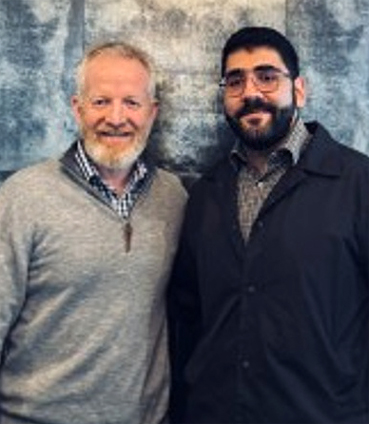
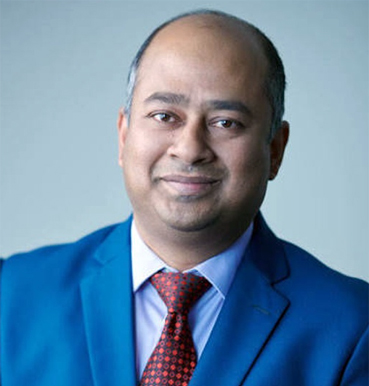
The research project, taking 3.5 years, was with the University’s Professor Shah and Seyedmohammad Mousavian, and analysed thousands of real-world sales data points, incorporating CCTV footage, POS and operational know-how.
Using machine learning it integrated information into a single, flexible framework.
“In simple terms, it gives operators a real-time and forward view of the business, allowing them to forecast demand, optimise staffing and match service delivery to customer flow before it happens,” says group principal Stephen Hunt.
In practical terms, the system provides visibility on how a venue is actually performing, facilitating better forecasting and labour deployment, leading to higher yield per customer.
The researchers developed a novel way to use video data to guide day-to-day decisions and offer useful insights, through better understanding of customer movement patterns, forecasting demand and improved resource planning.
In tests the model delivered up to 97 per cent accuracy in decision support, representing a clear shift from reactive to predictive operations.
“We see this as the next step for operators looking to drive margin, efficiency and customer experience in a more complex trading environment,” explains Hunt.
The research is also investigating how emerging AI technologies could further strengthen the model’s predictive capabilities.
Hunt Hospitality sees it as an exciting platform for future innovation across the group, but also having potential across the broader industry. The creators are currently in discussions with parties exploring how it might be tailored to meet the needs of different sectors, including pubs, hotels, clubs, entertainment venues and event-based businesses.
These discussions are helping to shape the next stage of the model’s development, which Hunt says could lead to strategic partnerships and commercialisation.
“We are currently exploring how the framework can be applied to areas such as workforce planning, venue performance, customer experience, event management and broader business intelligence,” he says.
“While still in the early stages, the research provides a strong foundation for improving operations, and for us to explore future commercial opportunities both within Hunt Hospitality and across the wider industry.”