The way people use hospitality venues is changing, and the growing popularity of solo dining is creating an opportunity for pubs and clubs to rethink how they attract customers and generate food and beverage revenue.
From business travellers and retirees to members stopping in after work and shift workers looking for a meal outside traditional dining hours, there is an expanding market of people who prefer to eat out on their own.
For venue operators, this represents a chance to understand a customer group with different expectations, along with the opportunity to find ways to make their dining experience more appealing.
Research from Dr YooHee Hwang and colleagues at The Hong Kong Polytechnic University highlights how seemingly small details can influence the decisions people make when dining alone. In particular, the way menus are presented, and popular dishes are promoted, can have a significant impact on customer choices.
The research found that solo diners can be more inclined to select meals that are already popular with other customers. Identifying a dish as a bestseller, chef recommendation or member favourite provides reassurance and helps customers feel more confident about their selection.
This is particularly relevant for diners who may feel less comfortable eating alone or making decisions without the influence of others. Rather than choosing something different or exclusive, they may prefer the familiarity of a meal they know other customers enjoy.
This behaviour can become more pronounced when bistros are busy. While operators might expect customers to seek out more unusual menu options during peak periods, some solo diners are more likely to gravitate towards popular dishes.
For pubs and clubs, the commercial opportunity is relatively simple. Making bestselling meals and customer favourites more visible can help influence ordering decisions without the need for expensive promotions or major menu changes.
Digital ordering platforms, QR menus and self-service kiosks provide additional opportunities to showcase popular dishes and update recommendations throughout the day. These tools also allow venues to promote member favourites and relevant offers during different trading periods.
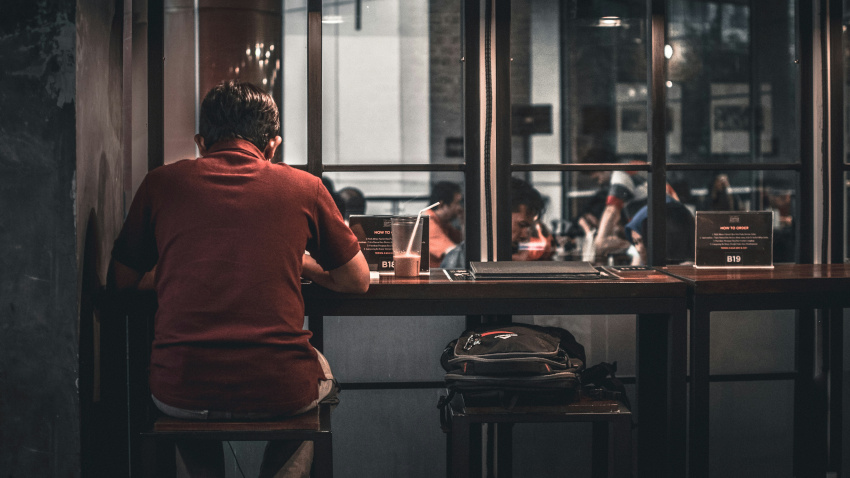
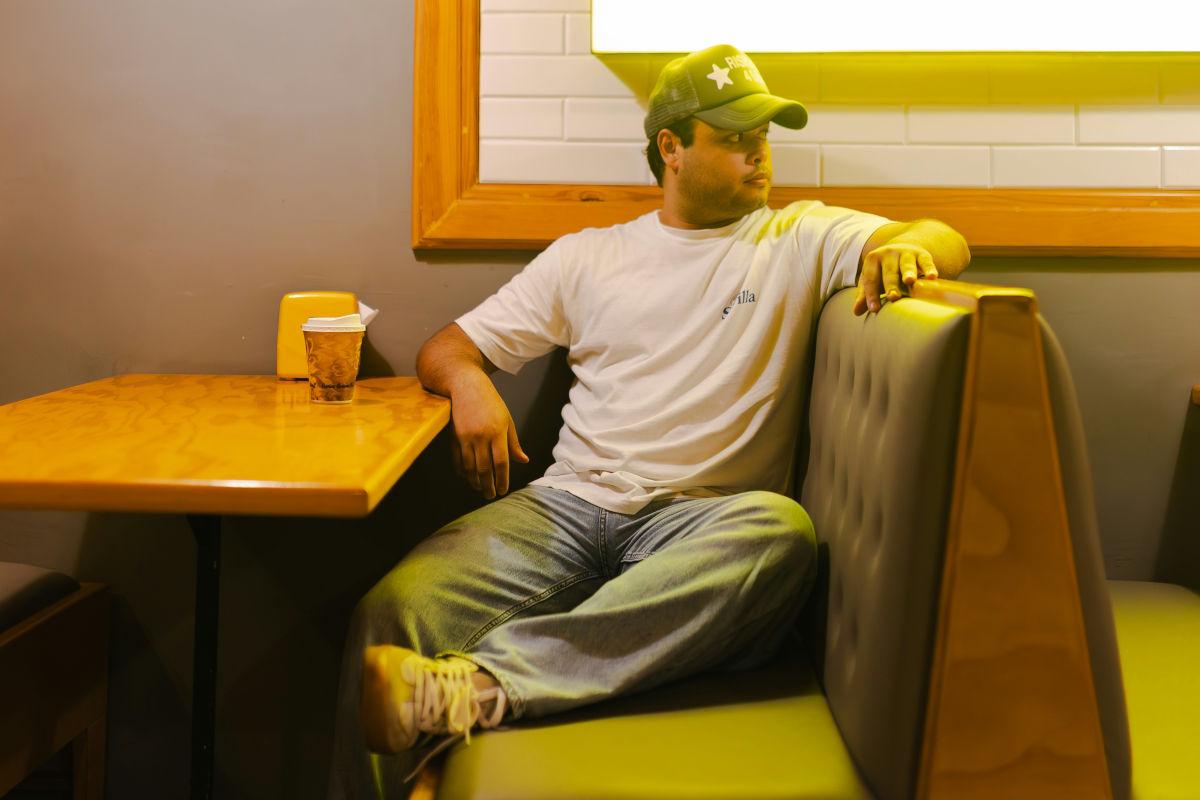
The physical environment is another important consideration. Not every customer dining alone wants to sit at a table designed for four, nor do they necessarily want to feel separated from the rest of the venue. Smaller tables, counter seating and well-positioned window tables can provide more comfortable options.
Staff engagement also plays a role. A friendly welcome, a genuine recommendation and recognition of returning members can help create an experience that encourages customers to come back.
Accommodation venues have an additional opportunity, with business travellers, conference delegates and corporate guests regularly looking for convenient dining options when away from home.
Ultimately, catering for solo diners does not require a major operational overhaul. It requires operators to recognise changing customer habits and make relatively straightforward adjustments to the way they present their menus, deliver service and use their dining spaces.
As more people choose to dine independently, venues that make these customers feel welcome and valued could be well positioned to increase repeat business, strengthen loyalty and grow foodservice revenue.