Robust regional sales in Grafton and Narrabri reinforce the gains being made by strategic operators able to bring operational expertise and scale in flourishing LGAs.
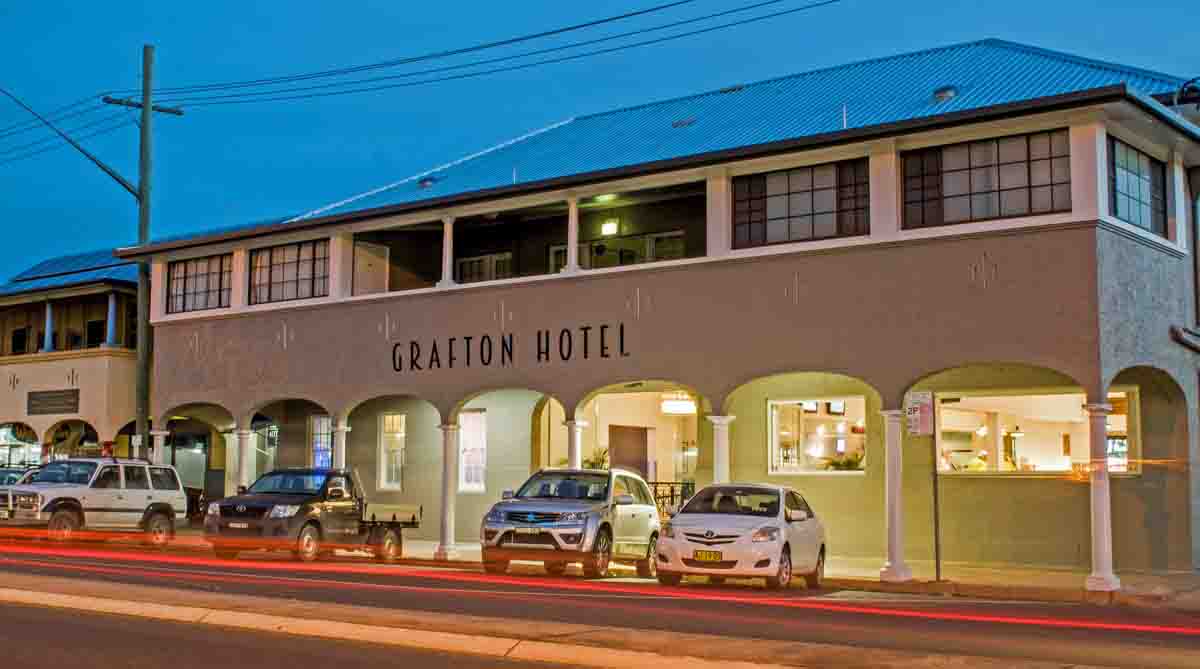
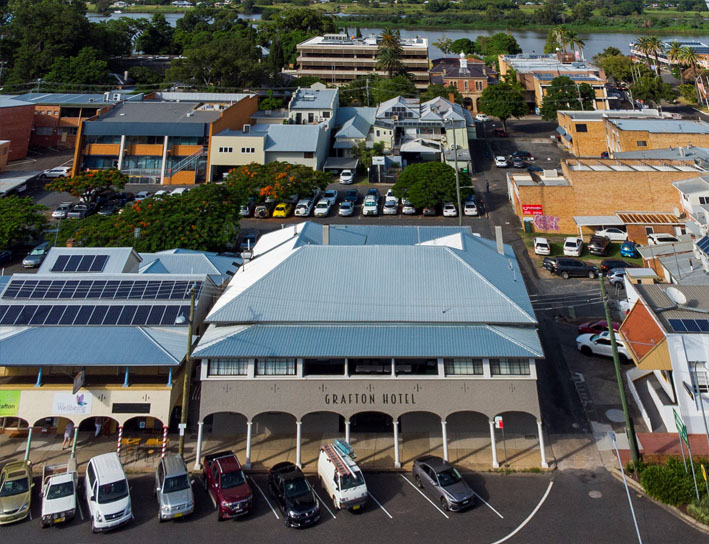
Riverina-based publican Jim Knox has sold and settled the landmark Grafton Hotel in the NSW Northern Rivers after dramatically increasing its profitability and valuation.
Knox acquired the pub for over $5 million in 2021 from the prominent Dougherty family, who had owned it for 41 years.
Set on a sizeable 748sqm block on main road Fitzroy Street, opposite Grafton Shopping World, the pub is a single bar operation, with commercial kitchen and bistro, gaming room with 15 gaming entitlements, function space and 13 pub-style accommodation rooms.
The family listed it after extensively upgrading the property in 2020.
The Knox Hotels tenure has added 10 EGMs (Band 3 entitlements) to the business, made strategic capital investment and saw annual revenue triple, to roughly $4.5 million, which was aptly reflected in the uplift in its value.
Jim Knox has an established portfolio, previously with several hotels in Griffith. He still holds pubs in Moree, Tamworth and Armidale.
Sale of the Grafton represents an exit from a brief but successful period of ownership of the hotel, and from the city.
Earlier this year the Doughertys also wound up their collection in town, selling their beloved Clocktower Hotel in Grafton, which they constructed in 2008, to a group of buyers that included Marty Short.
Grafton has been benefitting from investment in local infrastructure, as well as the continued upgrades to the Pacific Highway.

Stepping in is emerging hotelier and investor Barham Rashid (aka Barham Hamarashid), who is thought to have paid circa $15 million for the Grafton.
This joins his existing interests, which include the Highlands Hotel in Mittagong, Cecil Hotel Casino, Milestone Hotel Dubbo, and since 2024 The Mill in Bondi Junction.
Meanwhile, around five hours’ drive west of Grafton and about 530 kilometres north-west of Sydney, Narrabri is a major regional centre of around 13k people, on one of Australia’s busiest inland freight corridors, the Newell Highway.
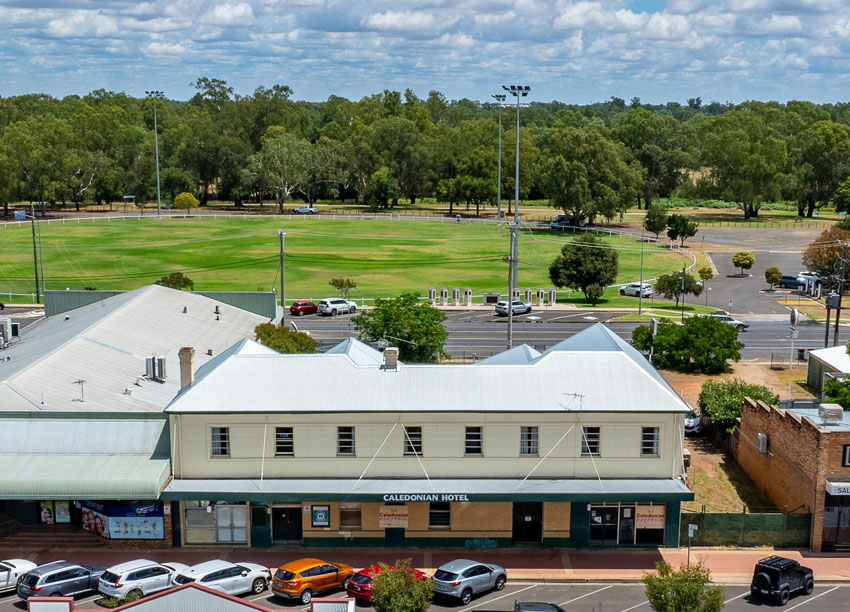
The Aroney family had owned Narrabri’s Caledonian Hotel for more than half a century. Publican patriarch Vasilios (Bill) Aroney sadly passed away in 2025, aged 76, and the pub has been closed since.
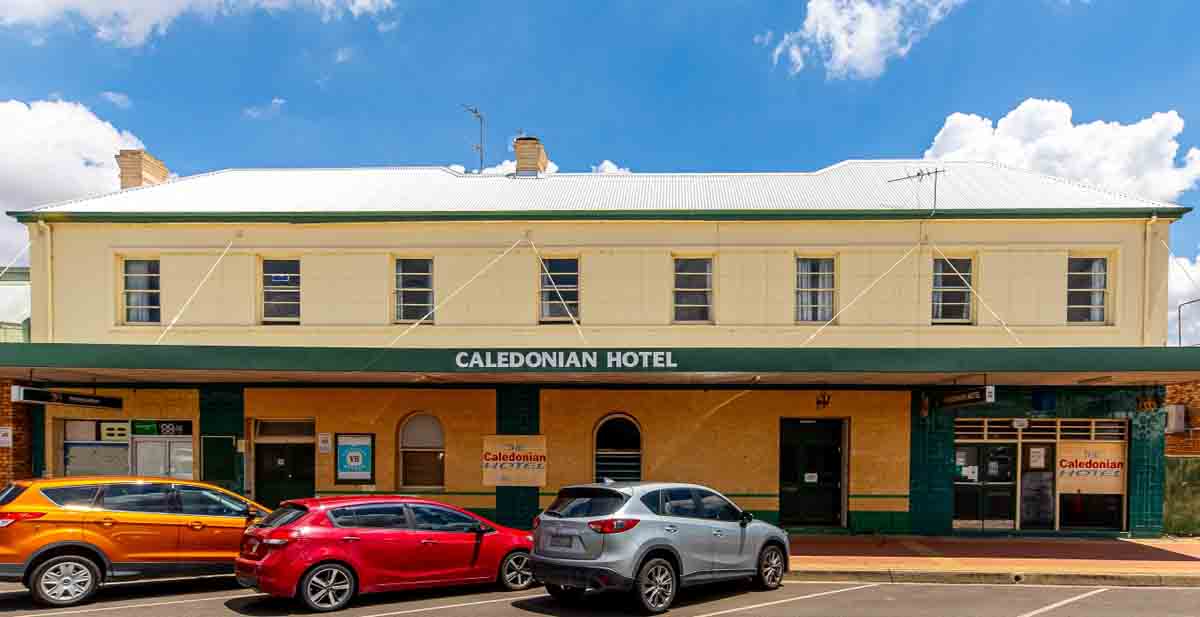
It was listed in July on behalf of the deceased estate, citing one of the most prominent sites in town, with exclusive direct access to the Newell Highway.
The stocky, two-storey hotel has a traditional public bar, commercial kitchen and bistro, gaming with 10 machines, a large-format drive-through bottleshop and 13 pub-style accommodation rooms, plus a retail tenancy and a freestanding retail building generating passive income.
A total landholding of 2,387sqm, the site brings significant future development potential.
Its sale was destined for a rapid result at auction, courtesy of a complex family ownership structure, but the process was put on hold and successful negotiations took place shortly after.
Emerging as the new owner is prominent Narrabri businessman Robin Findley, growing his hospitality interests in the area.
Findley already held three other pubs in the wider Namoi region, being the nearby Tourist Hotel in Narrabri and Wilga Hotel in Narrabri West, and the Namoi Hotel.
Both the Grafton and Narrabri sales were negotiated by HTL Property’s Xavier Plunkett and Ben Kennedy, who note how the transactions highlight the increasingly strategic approach being adopted by established regional hotel players.
“The Grafton Hotel is a compelling illustration of the value creation achievable through experienced ownership,” says Plunkett, who also sold the property to Knox Hotels.
HTL reports over $250 million in sub-metropolitan freehold sales already for FY27, including the recent Canobolas Hotel in Orange to Redcape, with “further significant sales” said to be pending.
The size and frequency of transactions is indication of the continued strength of the regional market, which agents say is commonly characterised by a fundamental imbalance between availability and the increasing number of well-capitalised purchasers looking at quality regional hotels where they can create uplift.
“Both transactions demonstrate the premium experienced operators are prepared to attribute to assets which complement an existing geographical footprint, and offer meaningful operational synergies,” continues Plunkett.
“In each instance, the purchasers identified opportunities to leverage existing management infrastructure, local market knowledge and economies of scale to enhance the returns of their broader portfolios.”