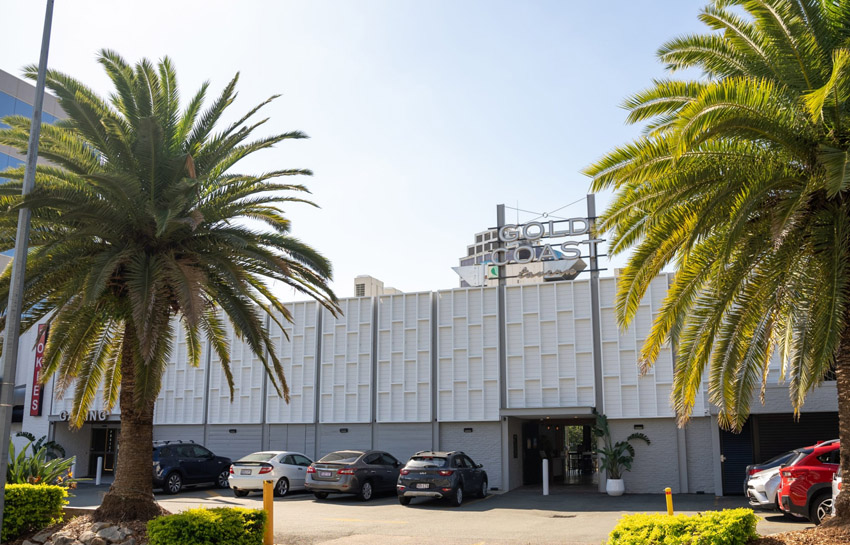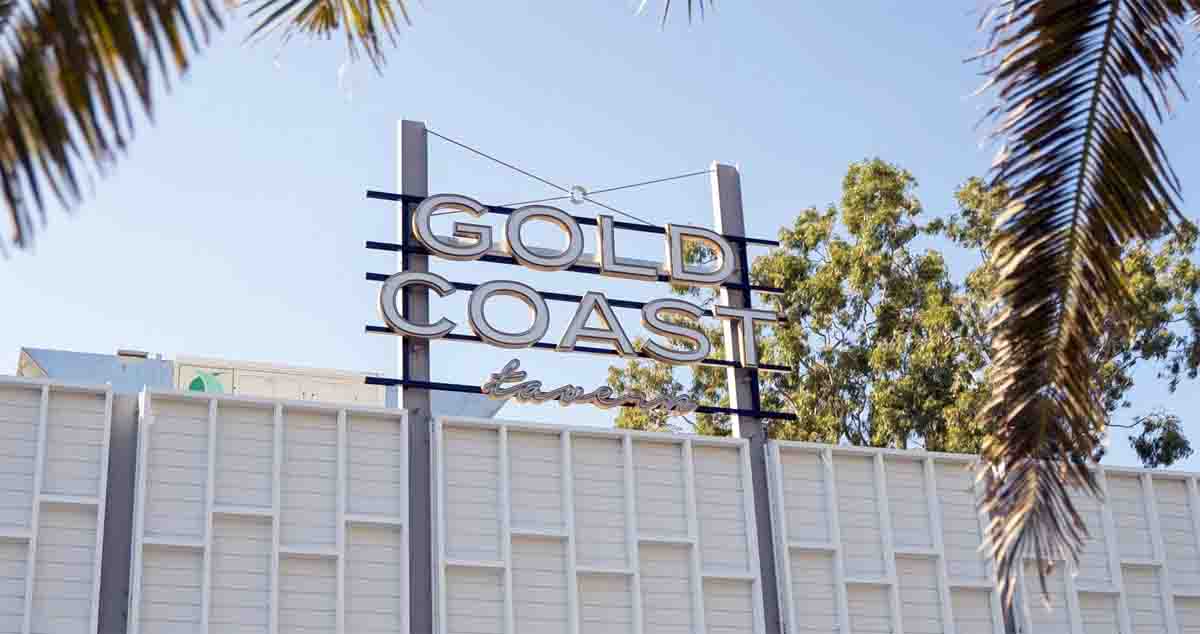
The Feros’ JDA Collective has sold riverside local the Gold Coast Tavern at Benowa to Joe Irvin’s Irvin Hotels, as interest and capital gear up on the Brisbane Games.
John Feros and siblings Dean and Alexandra Henderson (nee Feros) purchased the large suburban Tavern for circa $12 million in 2021, when it was known as the One50 Tavern and was closed due to the COVID pandemic. They carried out a cosmetic refurb and reopened under the revised moniker.
In the past year JDA has made some high-profile transactions, in 2025 buying Sydney’s Crystal Palace Hotel for about $35 million and later the Northside Hotel in Lavington from Harvest for around $27 million.
This year the group bought the Bexley North Hotel for a reported $70 million and divested the Peakhurst Inn to Sonnel for circa $60 million.
JDA CEO John Feros says they have known the Irvin family for a while and are confident the respected hoteliers will build on its success to date.
“We are saddened to be passing the baton, as this hotel has been an important part of our journey, however we’re pleased to be handing it over to Joe Irvin and his team.
“Over the past 24 months we’ve been very active, continuing to assess opportunities to acquire high-quality hospitality assets while also considering strategic divestment opportunities such as this when the right circumstances present themselves.”
The GCT is now understood to have sold for approximately $25 million, marking the eleventh pub in the state for the Sydney-based group, which has an HQ in Pagewood and another three venues in NSW.
Irvin Hotels already had a presence on the Gold Coast with the Coolangatta Sands and in Brisbane at the Homestead Tavern, but are said to have been looking for some time in south-east Queensland to expand, complement and fill the geographical gap between existing assets.
Irvin says their Sunshine State assets are trading well and ahead of the pending Olympics in 2032 they feel the area is “really coming on nicely”.
Calendar year 2026 is lagging somewhat behind 2025 and 2024 in pub sales, M3 Property research citing close to $1 billion in transactions nationally this year (to date), versus the $1.8 billion and $1.6 billion at this point during the prior two years, respectively.
While NSW remains at the forefront, Queensland is punching above its weight, buoyed by the international sporting juggernaut in six years’ time and off to a flying start in FY27, with around $177 million in transactions so far this year, and the majority of those in the state’s south-east.
M3 Property director James Ruben says the SEQ pub market has “maintained more momentum” than the NSW or Victorian markets, despite global economic headwinds, which he sees as partly driven by both ongoing infrastructure spend and trade optimism in the lead-up to the Olympics.
Sale of the GCT closely follows announcement this month of sale of the Madison Tower Mill Hotel in Brisbane’s Spring Hill for nearly $30 million, and Roosters chairman Nick Politis’ sale of the Treetops Tavern in Burleigh Heads for $50 million in May.
The off-market transaction on the GCT was managed by HTL Property’s Dan Dragicevich, Andrew Jolliffe and Queensland-based Glenn Price.
“The Queensland pub sector has remained resilient with venues trading at levels that often exceed the previous 12 months,” advises Price.
Dragicevich, national director, notes the SEQ pub market is outperforming both NSW and Victoria in comparative terms of year-on-year volume and yield.
“This sale underlines the attractiveness of the Gold Coast market in particular – occurring between two Sydney-based groups, at a yield close to what is traditionally seen in Sydney.
“We continue to receive enquiries, especially from Sydney groups, for expansion opportunities in SEQ.”

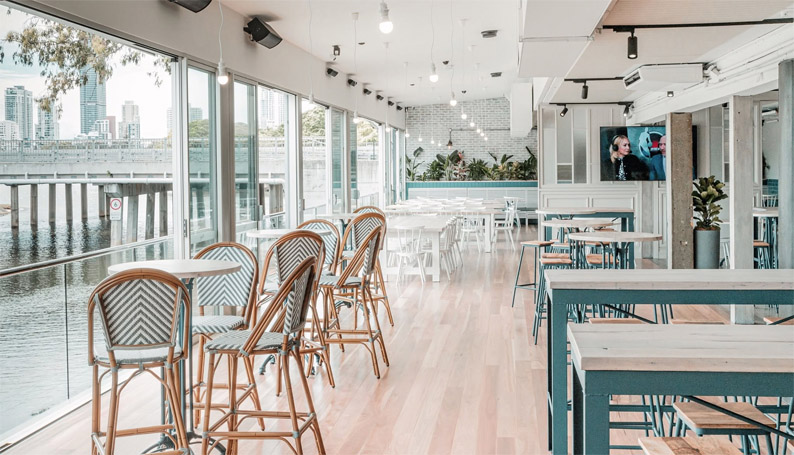
Beyond its strong food, beverage, and gaming trade, adding to the appeal was the Tavern’s waterfront location, which agents note are rare and tend to command a premium, even as hospitality and the broader economy face cost of living and investment challenges.
“The national pub market is performing admirably in no small part due to the structural favourability for property investors now attracted to commercial estate as distinct from residential investments,” adds Jolliffe.