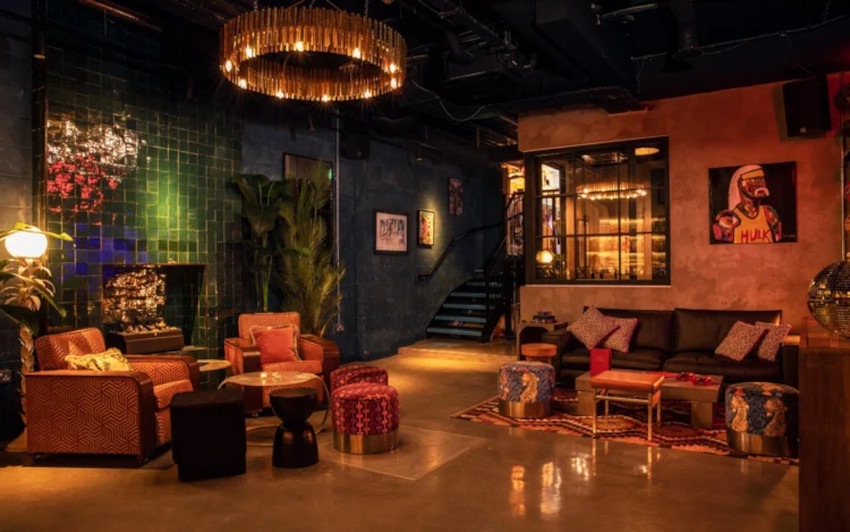
Hospitality operators globally are putting greater emphasis on experiences, as consumers become more selective about where they spend their time and money – and it’s paying off.
Rather than relying solely on food and drink, operators are investing in entertainment, technology, design and programming to give customers stronger reasons to visit, stay longer and to return.
The shift reflects a wider change in how hospitality groups are being developed, with UK data and analysis company Lumina Intelligence identifying a growing focus on clearer roles for venues across food, sport, community, accommodation and experience.
For experience-led operators, the opportunity is to offer something customers cannot easily recreate at home.
Lumina expects growth to be strongest among premium and experiential concepts.
For example, London’s Little Door & Co is forecast to record the highest pub and bar outlet growth at 40 per cent, followed by Vagabond at 16.7 per cent and Flight Club at 6.7 per cent.
“We’ve always believed that design, music and entertainment aren’t additions to the business model, they’re fundamental to it,” founders Jamie Hazeel and Kamran Dehdashti told the Morning Advertiser.
With consumers managing tighter discretionary spending, operators are increasingly focused on making each visit feel worthwhile.
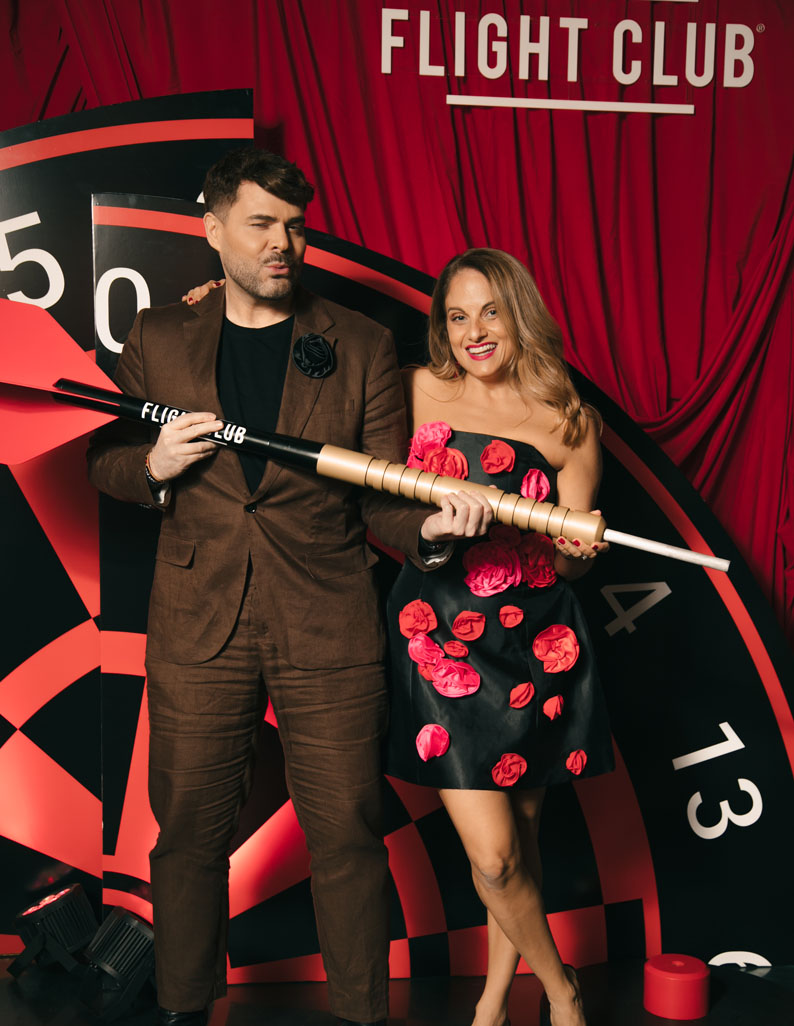
Flight Club has built its proposition around this approach, combining social darts with theatrical interiors, hand sourced antiques and locally influenced design. Technology including camera tracking, automatic scoring and live action replays adds to the group experience.
The concept now has 34 venues across Australia, the UK, US and Ireland, with Red Engine seeking a partner to support further European growth.
Little Door & Co has taken a different approach, building venues around the idea of a house party. Cocktails, karaoke, games, DJs and distinctive rooms create an environment designed to develop throughout an evening.
The strategy has delivered 26 per cent year on year growth in walk ins, a 19 per cent increase in covers and 16 per cent like for like growth.
Incipio has also positioned food and drink as the foundation rather than the complete proposition, with concepts built around specific themes and occasions. Its estate includes immersive brunches, live music and major sporting events.
Vagabond has built its proposition around exploration, offering more than 100 wines by the glass through its self-serve format, alongside digital tasting flights, seasonal food and wine-focused events. The model is supported by tastings, jazz nights, courses and blending workshops.
Two thirds of Vagabond customers have ordered more than once, while 41 per cent have ordered at least three times and 18 per cent at least five times. More than 25,000 samples have been served through its digital tasting flight programme.
The group currently operates 14 sites and plans to reach 25 by 2031.
Across the operators, the formats differ, but the commercial rationale is similar. Experience is being used to differentiate venues, extend visits, encourage repeat custom and give customers a stronger reason to choose one location over another.
As consumers become more selective about going out, food and drink remain essential, but the overall experience is increasingly becoming part of the product.