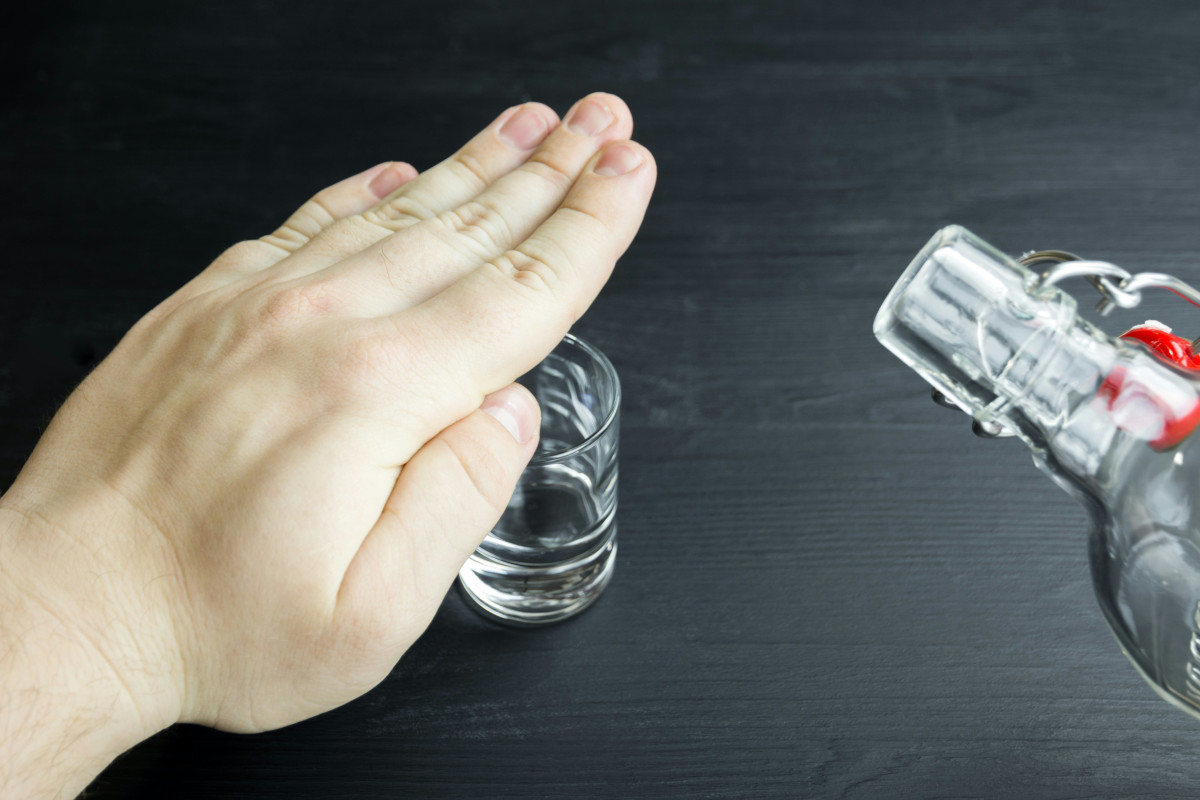
New research suggests that alcohol consumption is changing due to the increased use of GLP-1 weight loss medications, which appears to have impacts on consumer spending.
UK hospitality research company KAM, in its “Drinking Differently: GLP-I and Alcohol” report, argues that the shift isn’t simply about people trying to cut back, it’s also tied to how these medications fundamentally change the way individuals experience alcohol.
Statistics show that typical venue spend on alcohol fell by 30 per cent, while the average alcohol consumption dropped by 16 per cent.
Household spending on alcohol at home also dropped by nearly a quarter, falling twenty-two per cent by weekly spend.
While there is no evidence of interaction between the drug and alcohol, thirty-four per cent of GLP-1 users reported reduced alcohol cravings, while twenty-two per cent claimed they felt the effects of alcohol more quickly.
Eighteen per cent of users reported issues such as nausea when drinking.
KAM’s report estimates that between seven to 10 per cent of the UK population currently uses GLP-1.
In Australia, last year the Financial Review reported that at least half a million Australians are using the drug, and this number is expected to grow.
Even with these changes, the research indicates that social drinking moments aren’t fading away but are simply being reshaped.
Alcohol is still central to social occasions, according to seventy-one per cent of GLP-1 users, although there is a growing trend towards lower-ABV and alcohol-free products, as well as for smaller serves. This information may benefit venues aiming to attract the custom of those on the medication, as well as the growing number of people looking to reduce alcohol consumption.
Partner at KAM, Katie Jenkins, said that while GLP-1 users are consuming less alcohol, they are continuing to enjoy social occasions – while redefining how these experiences appear.
“For hospitality operators, this points to the need to adapt to a future where moderation is more common, mixed drinking groups are the norm, and quality, flexibility and inclusivity become increasingly important.”
The report builds on other research showing how weight loss medications influence drinking habits, pub menus and frequency of visits, as well as the concerns of venues about spend, flexibility and portion sizes.