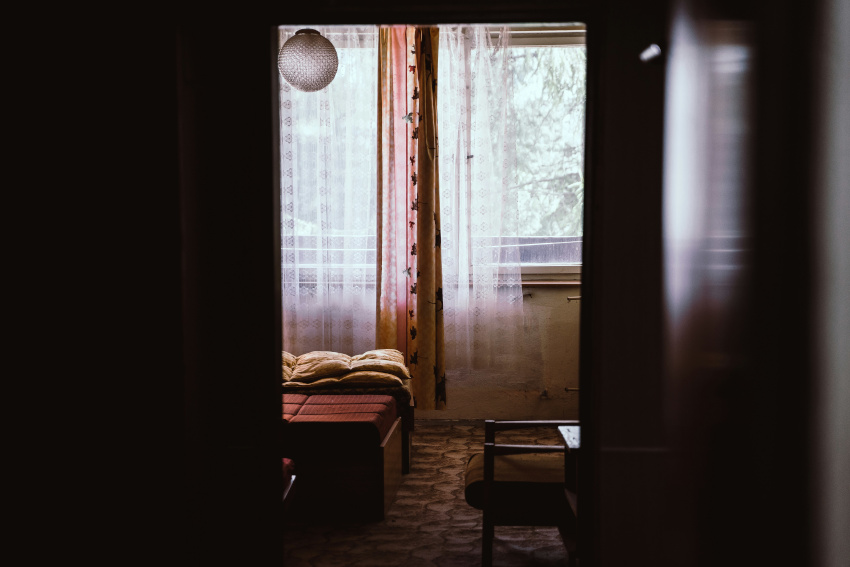
There was a time when staying in an Airbnb felt like discovering a travel secret. A chance to live like a local, find somewhere with character and enjoy a more personal experience than the predictable surroundings of a hotel.
But as the short-term rental market has grown, the appeal has started to fade.
Increasingly, hotels are having the last laugh.
For travellers who once embraced the home-sharing revolution, the novelty of collecting keys from a lockbox, deciphering lengthy check-in instructions and being handed a list of household chores is wearing thin. Add cleaning fees, unpredictable standards and the occasional difficult exchange with a host, and suddenly the familiar hotel experience looks rather appealing.
The latest Airbnb controversy, involving a ban on hosts enforcing chore lists while continuing to charge cleaning fees, has brought the issue into sharp focus. But for many travellers, the bigger question is why they should be doing the laundry, taking out the rubbish and stripping the beds when they can book a hotel and simply leave.
Airbnb’s early appeal was built on personality, connection and a sense of place. Yet as the platform expanded, professional property managers and large-scale operators increasingly replaced the spare room hosts and local homeowners who helped make the concept attractive.
Meanwhile, hotels have been quietly reinventing themselves.
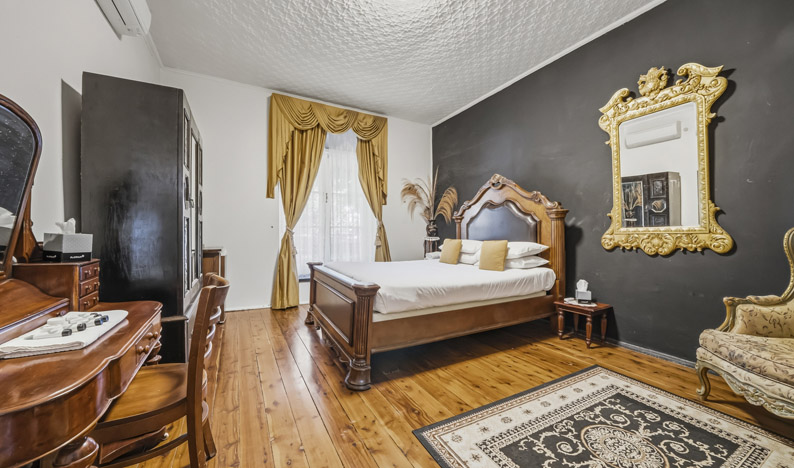
Once associated with beige interiors and impersonal service, the industry has embraced design, individuality and the kind of local character that helped make Airbnb so appealing in the first place.
Boutique properties, independent hotels and lifestyle-led brands are offering distinctive experiences, thoughtfully designed spaces and genuine connections to their surroundings. Even larger hotel groups have recognised that travellers want more than somewhere to sleep. They want atmosphere, good food, local experiences and staff who can offer recommendations.
They also want convenience. A reliable check-in, a comfortable bed, fresh towels and someone to call when something goes wrong remain powerful selling points. No surprise cleaning fees, no complicated instructions and, crucially, no chore lists.
For Victoria’s hotel industry, this changing sentiment presents an opportunity at an important time.
Despite record visitor spending of $49.5 billion over the past year, Victoria’s hotels are trailing the rest of the country on occupancy, average room rates and revenue per available room (REVPAR). Melbourne hotel occupancy averaged 74.2 per cent over the past 12 months, well below the more than 80 per cent routinely recorded before the pandemic.
Accommodation Australia (Vic) believes the priority is not building more hotel rooms but attracting more visitors to fill the rooms already available.
Its 2027 Accommodation Hotel Policy Blueprint calls on political parties to prioritise investment, reduce red tape and increase visitor demand ahead of Victoria’s state election on 28 November.
“We’ve already built the rooms, the opportunity is now to bring more visitors here, get more people out to see the regions, and give them more reasons to stay longer,” said General Manager of Accommodation Australia (Vic), Dougal Hollis.
The visitor economy supports 322,100 Victorian jobs and is projected to generate $57.2 billion in spending by 2030. Hotels play a central role, supporting everything from major conferences and sporting events to regional festivals and weekend escapes.
Hollis pointed out that hotels are what makes travel possible.
“Every room sold supports a local job and every stay supports a local business, encouraging further investment,” he said.
The Blueprint calls for four-year funding certainty for Visit Victoria and the Melbourne Convention Bureau, increased tourism marketing, a streamlined planning process and a statewide registration scheme and 90-night cap for unhosted short-term rentals.
For hotels, the opportunity is about more than capitalising on Airbnb’s growing list of frustrations. It is about reminding travellers that good accommodation should feel welcoming, comfortable, distinctive and above all, effortless.
The original promise of home-sharing was that it could offer something hotels could not. But as Airbnb has become increasingly commercial, hotels have evolved to deliver much of what travellers loved about that original idea, without sacrificing service and consistency.
“Whoever forms government after 28 November inherits a sector ready to grow,” said Hollis.
“Back hotels, and they’ll back Victoria with jobs and investment.”