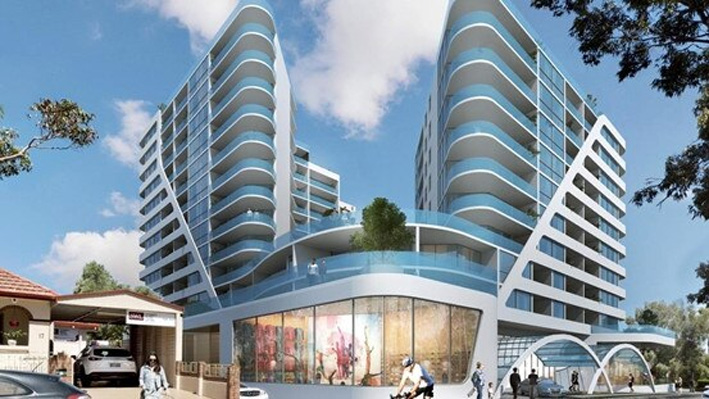
Major NSW pubs and groups are increasingly looking to the state government’s Housing Delivery Authority, fast-tracking redevelopment projects under streamlined rules for new residential property.
A deepening supply shortage prompted commitment by the NSW Government to address the housing shortage and set an ambitious target to deliver 377,000 new homes under the National Housing Accord, in the five years to July 2029.
This gave rise to necessary reforms designed to streamline approvals for major housing developments and the establishment of the Housing Delivery Authority (HDA) in late 2024.
The HDA will lead a new streamlined State Significant Development (SSD) pathway with a concurrent rezoning process, enabling it to bypass local councils and push through approvals for large residential projects that can begin construction within 12 months.
In the past year pubs and clubs across the state have turned to the HDA to approve proposals that might otherwise struggle to meet traditional local planning controls.
Through the HDA system there are currently approvals secured for almost 3,300 apartments at around a dozen sites, submitted by both hotels and clubs. To date another six sites, applying to build over 1,500 apartments, have been denied.
The change in outlook represents an inherent change in how land occupied by pubs is assessed, as their proximity to transport, jobs and services can also be seen as strategic housing opportunities.
The HDA’s mandate is to help address the housing shortage, and Property Council NSW executive director Anita Hugo describes hospitality sites as “logical candidates” for this kind of redevelopment.
But University of Sydney urban and regional planning professor Nicole Gurran warns this also carries risk and inherent land-use conflicts, frequently around the subject of noise, suggesting that while people like housing projects near amenities and pubs, “they don’t always want to hear them”.
She also suggests the challenge is in repurposing pubs while retaining their community value and local diversity.

Self-proclaimed to be the original pub developer, with a long history of building residential blocks above or beside watering holes, is Iris Capital. CEO Sam Arnaout has said residential development is a core focus in the company’s overall strategy.
Iris has plans lodged at 10 sites across Sydney and regional NSW, planning to convert suburban pubs into mixed-use developments with addition of 2,445 apartments and 85 hotel rooms in total.
The Cabramatta Hotel, purchased early 2025, is looking to execute a development bringing two residential towers and 440 units. The Palms in Chullora is finalising plans for a $77 million redevelopment with nearly 300 apartments.
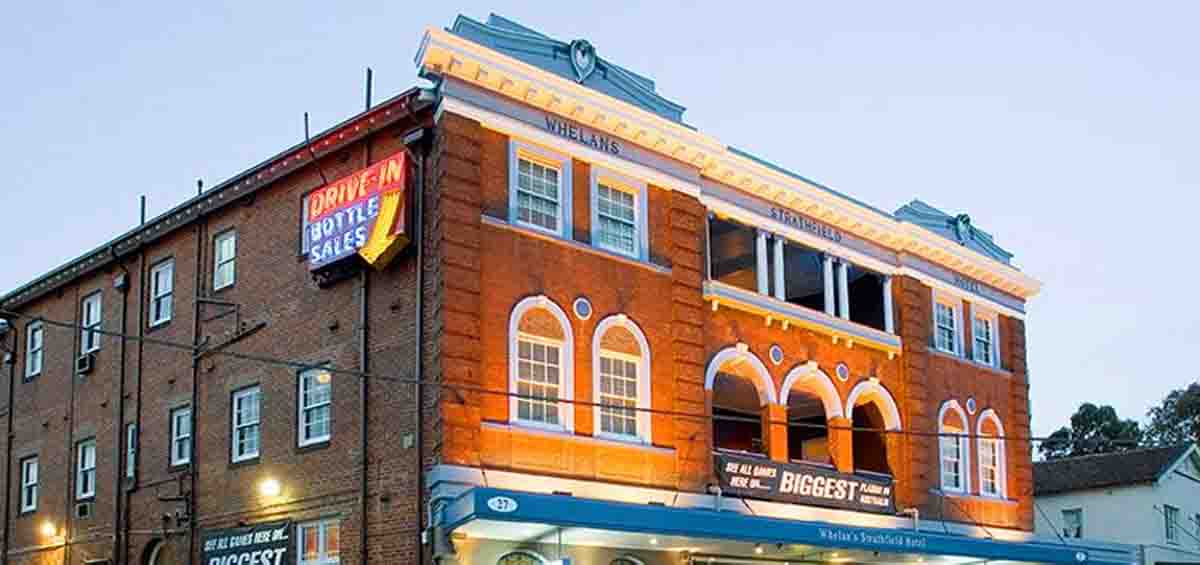
The Narwee Hotel, bought late 2020, is vying for a 15-storey tower with 225-apartments. The heritage Strathfield Hotel, purchased in 2022, has plans for 190 apartments.
And the collection of the Sydney Junction Hotel in Hamilton, the Argenton Hotel and the Gunyah Hotel, all bought from Campbell Rogers late 2018, have plans submitted. These stand to add 272, 300 and 192 apartments respectively, while the Riverwood Hotel is applying to build another 180 residences.
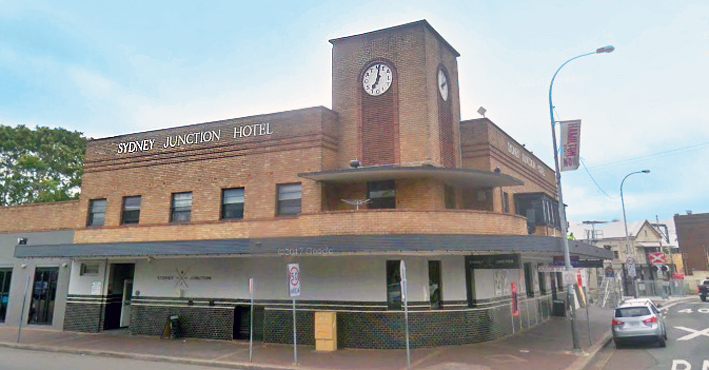
Arnaout says the planning systems of local councils have failed to deliver sufficient housing, frequently due to issues arising from height and density. He notes the disconnect that can take place with projects which may meet the relevant benchmarks but are not built because they are not commercially feasible, and he believes the HDA “helps bridge that gap”.
ALH, owners and operator of the largest pub portfolio in Australia, is also getting in on the action. It is currently looking at redevelopment at multiple venues, including the Castle Hill Tavern, and its $57 million reinvention of the Forest Hotel in Frenchs Forest.
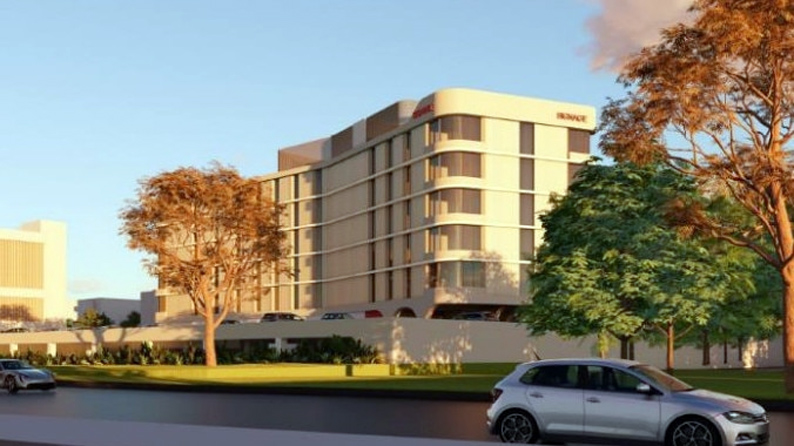
And there is no shortage of clubs looking to make use of their large sites and underpopulated precincts, as an increasing number struggle financially.
Mortdale RSL has secured approval using the HDA for a plan previously rejected by the Georges River Council’s planners, featuring a rebuild of the club plus more than 200 apartments and a supermarket. A spokesperson for the club said the move was the result of declining financially security, putting them “at risk of having to close”.
The streamlined HDA process has been largely welcomed by hoteliers and developers, but there has been the anticipated pushback from residents and heritage advocates, such as the Burwood Historical Society, who say a residential tower above heritage sites such as the Strathfield Hotel (for example) risks dominating the location and “diminishing its character”.