
More pubs are removing their TABs as Tabcorp pursues its new format based in ‘less is more’ and the company sees the drop-outs as part of the cost of business.
For decades TABs have been the default retail betting solution, with most located in pubs and clubs.
The rise of electronic and smart phone options has seen punters flock to the modern, sophisticated alternatives such as Sportsbet, leaving Tabcorp to watch its market dominance dwindle.
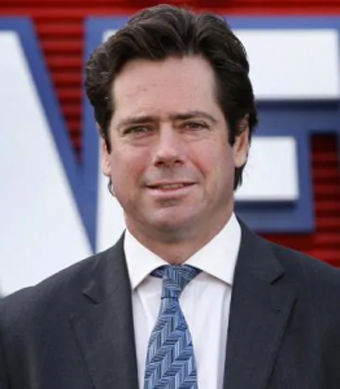
Facing another year of financial gloom, the listed entity (ASX:TAH) having posted a loss of more than $1.4 billion for FY24, mid-2025 new chief executive Gillon McLachlan announced a major shake-up to the retail betting sector. The existing arrangement would expire at the end of FY26.
Venues were forced to commit to a arrangement for five years, starting 1 July, that clearly favoured high-turnover locations over those falling below determined thresholds.
The new agreement included significantly lower commission rates, starting at just one per cent on the first $7,500 of turnover, reducing to zero after three years.
Tabcorp would no longer pay pubs a fee for hosting the terminals, instead host venues are required to pay an additional weekly membership fee – atop a compulsory upfront capital outlay of $15-21k per venue for TAB equipment, which remains the property of Tabcorp.
Importantly, the new deal also shifted a range of regulatory responsibilities and associated liabilities from Tabcorp to the venue operators.
Six weeks since the deadline the company has declared the new model successful, citing on-premise profits up and around 90 per cent of venues opting to continue their association. Previous projections were that only 80 per cent of the roughly 3,700 venues in the TAB network would join.
This does reportedly include some major players that have not yet agreed to the new terms. National operator Australian Venue Co has recently negotiated a contract, but ALH, the country’s largest pub group, and Arthur Laundy’s Laundy Hotels, are understood to be still in discussions.
“We are very focused on ensuring that pubs and clubs in smaller communities are supported and our customers across Australia can continue to access Tab services,” said a Tabcorp spokesperson, while acknowledging changes to the gambling giant’s commercial model were “necessary”.
One of the first high-profile pub groups to say nix to the new deal was Comiskey Group, calling time on a 20-year relationship and pulling the pin on TABs in the group’s massive Sandstone Point and Eatons Hill hotels, Imperial Hotel at Eumundi, Samford Hotel and Dakabin Hotel, along with their two upcoming venues the Aura Hotel on the Sunshine Coast and the Country Club Hotel in Strathpine.
“Hotels have supported TAB for decades, but this deal shifts even more cost and risk onto the venues that actually hold this network together,” declared CEO Rob Comiskey.
Further stories have emerged of pubs removing terminals and converting their TABs into bar and dining areas – many of which are also proving more profitable. This seems especially true in venues outside the major cities, such as Poachers Paradise in Rutherglen, north-east of Melbourne.
Jamie O’Keeffe and Sam Fielke operate the Kyneton Hotel, north-west of the Victorian capital, and say less than half of punters in the pub use the TAB terminals, instead opting to bet using their phones.
The Hotel was earning around $30k annually in commissions through its two terminals, but the owners relay they would have instead paid a total of around $900 to keep the system.
They have converted the pub’s sports bar into a wine bar, reporting $3k turnover in the first weekend, putting them on track to triple the profit they would have made through a TAB.
O’Keeffe counts himself a punter, and told the AFR that from a punter’s perspective TAB has the worst app and “pretty much the worst odds” and that not a single patron has remarked they wished he’d kept the TAB.
Tabcorp may be thinning its network in the pursuit of greater returns from a smaller pool, but the strategy also reduces its presence and footprint, particularly in towns without the kind of venues that will profit from and be more likely to retain its systems.
Australian Hotels Association NSW CEO John Whelan reports the AHA is managing calls from venues that agreed to sign up to the revised agreement “and are now looking to pull out”.