Vision Australia reports that many people with low vision often receive poor treatment from venue staff and security, with focus group data showing attendees often leave events early – if they attend at all.
While those in the focus group consistently felt unsupported and misunderstood, their experiences show a broader issue at play.
Vision Australia’s GM of Corporate Affairs, Chris Edwards, said that music plays an important role in cultural participation and social inclusion, and those who live with disabilities have a right to enjoy events with friends.
Yet mishandling by venue staff means this social inclusion is quickly derailed.
Daniel Leighton, a 36-year-old Sydney man, is one example. Leighton was born with hearing loss and later also developed vision loss. He now has a narrow field of vision which, when in a crowd, has its challenges.
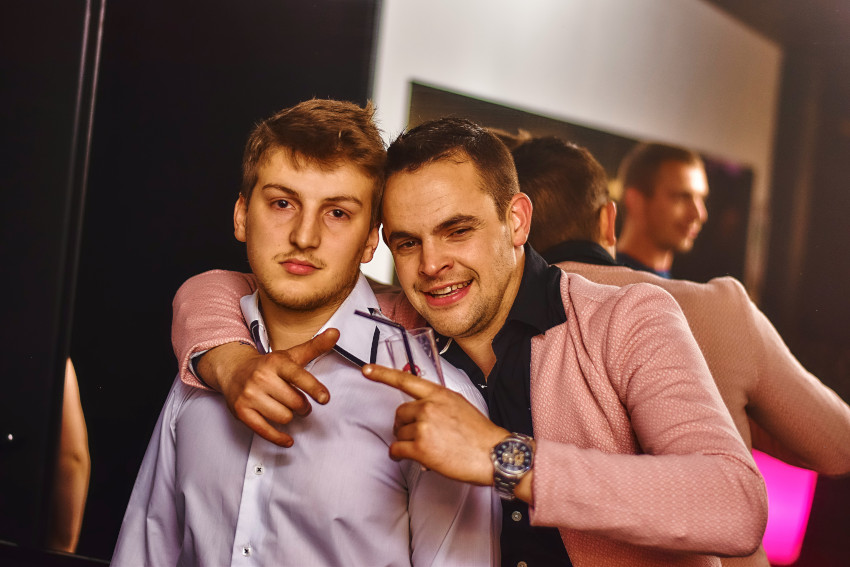
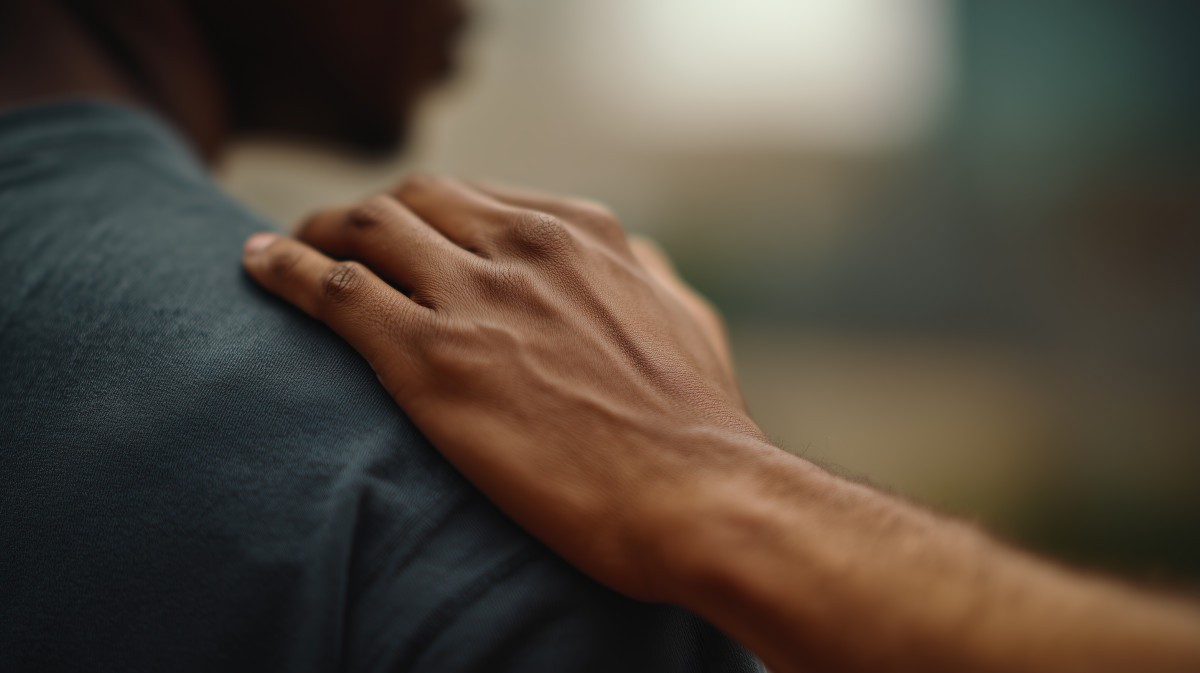
So that he can safely move through a crowd, Leighton puts his hand on a friend’s shoulder.
To security, this often appears like someone who has had too much to drink.
Once security make that decision, Leighton says, it is impossible to change their minds – even when he produces a pass to confirm his vision loss.
“It used to definitely put a dampener on the night. We used to go home,” he told Yahoo News.
“It feels pretty sh*tty. But my mates are such good friends — we just blacklist that place and never go back,” he says.
While physical design such as clear signage, improved lighting, audio announcements and descriptions help, accessibility is also about awareness and communication.
Edwards says that well trained staff can respond to individual needs in real time, bridging any gaps in design.
Vision Australia urges venues to train staff on all accessibility features, from ramps and lifts to companion seating options and inclusive language.
They further recommend ensuring the venue has a clear point of contact for accessibility queries and encourage the use of both verbal and non-verbal communication.
Those with disabilities such as Leighton say the simple answer is overlooked: it just requires awareness and some empathy.
Everyone’s disability presents differently, and vision loss varies widely.
For those living with disability, accessibility is not about the rules but about belonging.