Recently the NSW government made a move to reduce harm from late night gambling, legislating that from 31 March 2026 all gaming machines in the state must be shut down between 4am to 10am each day.
Yet despite this direction and other harm minimisation efforts, it remains a challenge for operators to remove gaming machines from their venues.
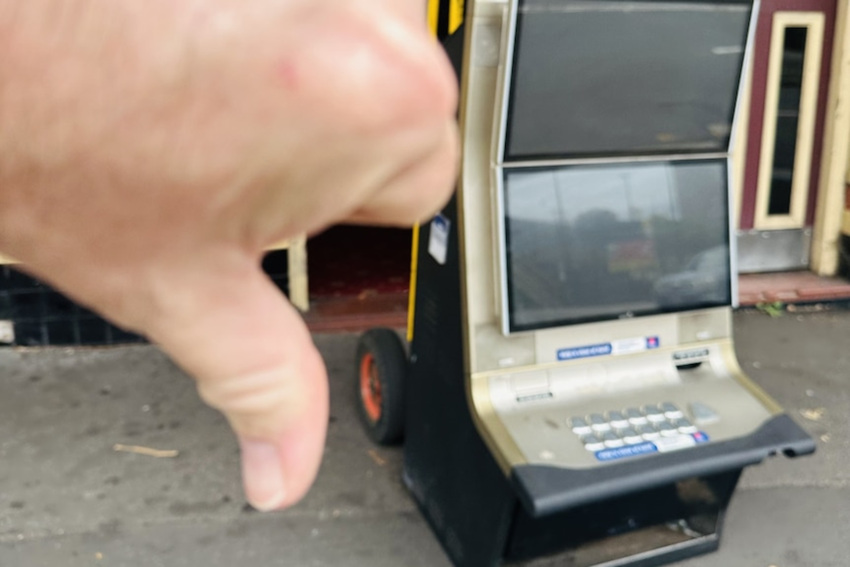
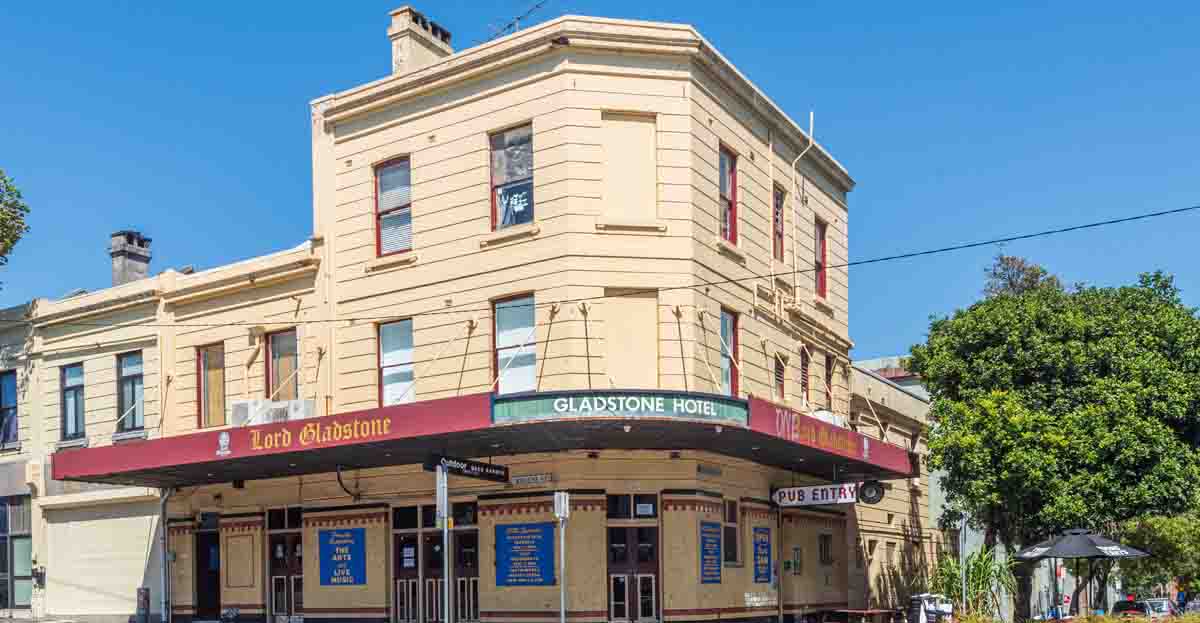
Mitch Crum, owner of inner-city Sydney’s Lord Gladstone Hotel, is one publican who struggled to remove the five EGMs at his hotel. He said the process was so difficult it made him feel like a criminal, taking months of daily phone calls to even begin the process.
“It was like I was doing a bloody crime trying to get rid of these things. It was going through hurdles after hurdles,” he told the ABC.
“There’s so much training around the usage and the responsible gambling side of things, but the actual process of getting these machines out was just insane,” he continued.
Crum said he felt lost throughout the removal process, with no-one to give straightforward answers to the multitude of steps he was required to undertake.
He believes venue owners should receive more education and financial assistance when they decide to go pokie-free.
Crum, who took over the reins of the Lord Gladstone six years ago, has never believed they belong in pubs, saying they destroy the vibe of the community. And while he recognises there are financial benefits, monitoring problem gamblers places a strain on staff, and he finds the training and implementation of responsible conduct of gambling laws is itself a full-time job.
Yet there is no mention of how to remove gaming machines in the licensee course.
Liquor & Gaming data shows there are over 87k EGMs across NSW, with around 26 per cent of these in pubs. Wesley Mission CEO Stu Cameron suggests the process of removing machines should be simpler and the government should assist venues in every way possible.
Under the NSW Government’s forfeiture scheme, venues transferring gaming machines are required to forfeit one machine for every two or three transferred, with all removals carried out by a licensed gaming machine technician or manufacturer. The transfer of gaming machine entitlements to other venues is managed through a separate process.
For Crum, this caused confusion when it came to his last two machines, to the point where he almost gave up. The machines had to be removed in batches, and there is no option to lease one out or just sell one, he said.
Further complicating things was the unexpected associated costs, which could be a barrier for other venues considering the move.
The process cost Crum thousands of dollars, and he also lost his ATM, with the company advising there would no longer be enough revenue from transaction fees without the machines onsite.
The Lord Gladstone identifies as a cultural hub, which cushioned the transition, but Crum pointed out that for other venues the move could be a challenge.
He believes financial assistance such as a grant to support the removal process could be a viable option.
Cameron said the government should focus on measures that encourage a reduction in gaming machines, suggesting there is scope to explore a targeted buyback scheme to support smaller venues and clubs looking to exit gaming.
Liquor and Gaming NSW advised contacting its Hospitality Concierge for assistance.