Australians may soon be looking at higher dining costs, with a possible five per cent surcharge at pubs, restaurants and cafes arising from the soaring cost of fuel.
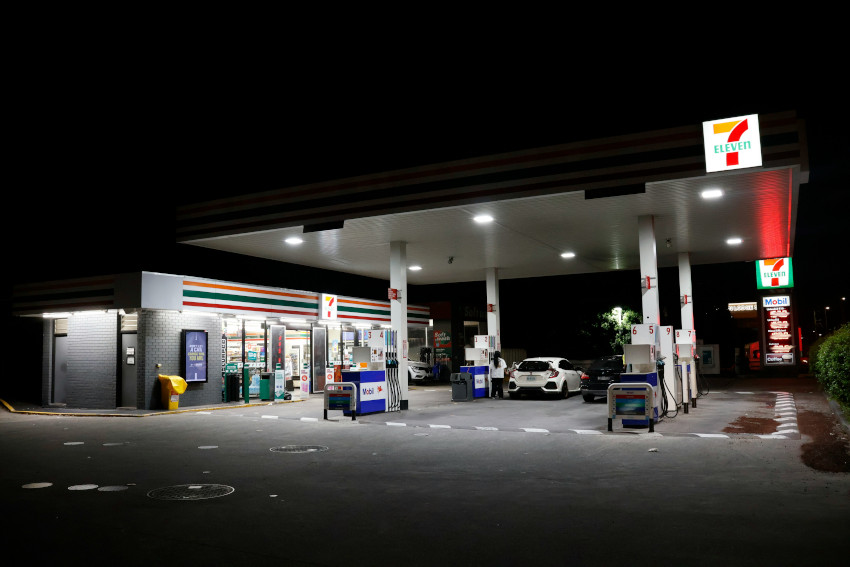
Fuel prices have surged in Australia due to the war in the Middle East, broadly affecting the economy.
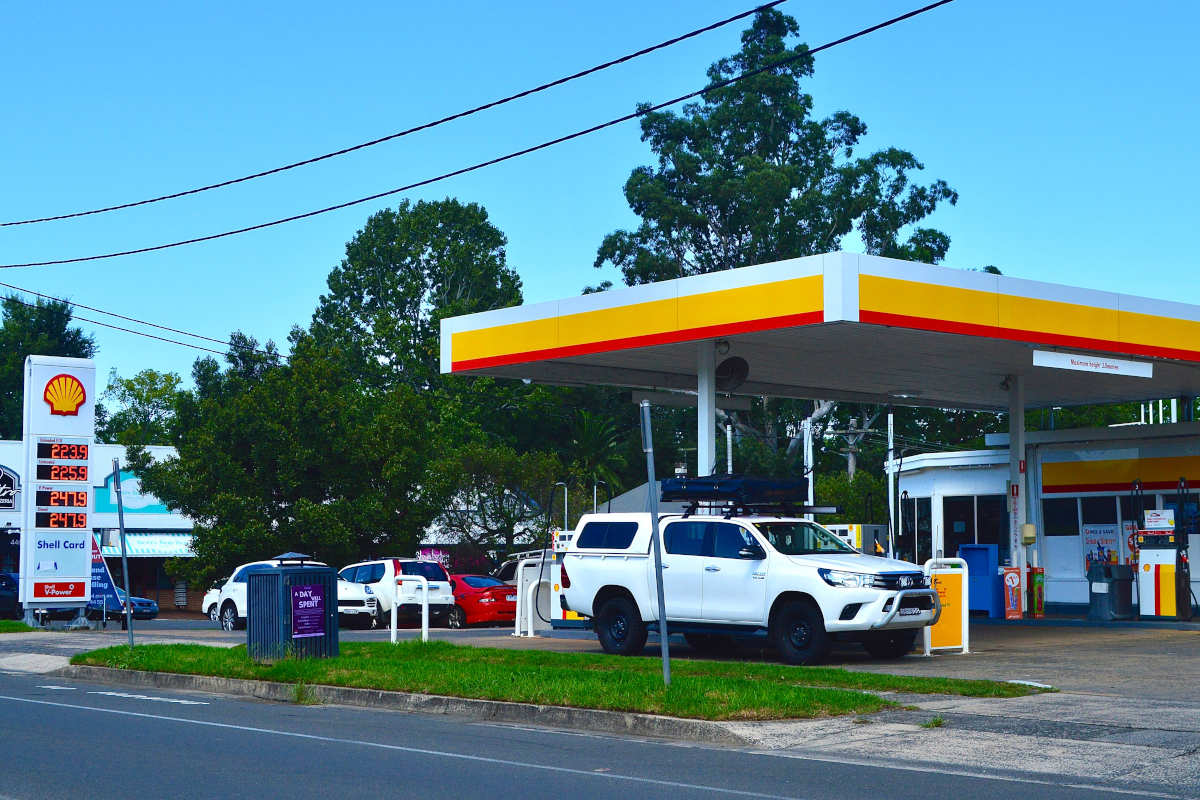
The average national price for diesel is as high as $3.22 per litre. Unleaded petrol prices currently range from 153.9-395.0 cents, averaging $2.57 per litre nationwide.
While the government has recently announced a fifty per cent cut to the fuel excise, saving motorists 26.3 cents a litre, consumers are being warned by the Australian Restaurant and Cafe Association that venues, already operating on slim margins, are unable to absorb the increased costs.
Currently profit margins for restaurants are around 2.8 per cent, and around 2.6 per cent for cafes.

Hospitality venues have been hit with an increase in costs on multiple fronts including transport, refrigeration, utilities and waste collection, supplier delivery and freight, affecting every aspect of business.

Wes Lambert, chief executive of the Australian Restaurant and Cafe Association told Yahoo Finance that the association permitted and endorsed a charge of one to five per cent fuel levy surcharge for the hospitality industry, to apply to drinking and dining bills.
Businesses can set their own prices including charging fees and surcharges, according to the ACCC, although the charges must be prominently displayed and customers must be made aware of them prior to ordering.
A fuel levy surcharge would be a temporary measure, Lambert suggested, to combat the pressure from current supply chain costs.
“If government won’t stabilise costs, businesses must be allowed to survive them,” he said.
Costs for hospitality have been rapidly increasing as NSW and Victorian petrol stations begin running out of diesel, Lambert pointed out.
Energy Minister Chris Bown recently confirmed eight per cent of service stations in Australia are lacking either diesel or unleaded.
With the soaring fuel prices, cost of living pressures and recent interest rate hikes already placing strain on Australian households, some argue this move could negatively impact businesses.
The hospitality industry is divided on the issue, with president of Restaurant & Catering Australia John Hart labelling the idea of a collective surcharge “anticompetitive”.
He warns that the ACCC may take action on businesses who could be seen as colluding on pricing, and was also concerned that diners may be scared away by the surcharge.
Consumers are also divided on the issue.
One Facebook comment read, “Companies can’t be expected to absorb the costs and still stay afloat sadly,” while other commenters believed the idea to be “business destroying”.
“As long as it is removed after the crisis and not kept, I’m in favour,” said another.